
Stonebriar Property Inspections has been inspecting homes across Dallas since 2007. Keith Boggs holds Texas Real Estate Commission license #9867 and brings more than 25 years in construction to every inspection — which matters, because recognizing a defect and understanding how the building was put together are two different skills.
Our primary Dallas office is at 15950 Dallas Parkway in Far North Dallas, minutes from Addison, the Galleria corridor, Preston Hollow, North Dallas and the Prestonwood neighborhoods. We inspect throughout the city and the surrounding metroplex.
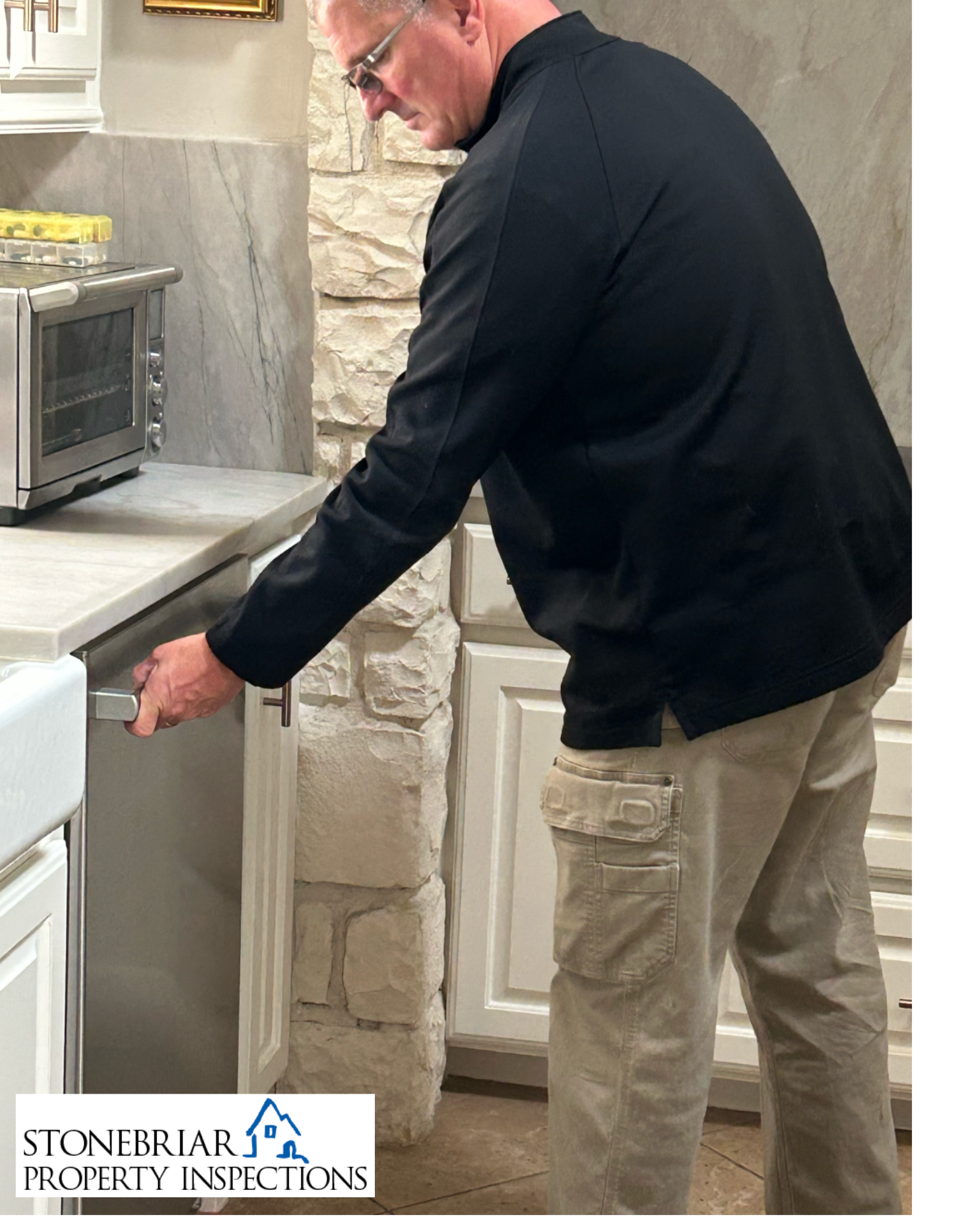
What a Stonebriar Inspection Covers
Every inspection follows the Texas Real Estate Commission’s Standards of Practice and examines:
- Structural systems — foundation, grading and drainage, roof covering and structure, walls, ceilings, floors, doors and windows
- Electrical systems — service entrance and panels, branch circuits, connected devices and fixtures
- Heating, ventilation and air conditioning — heating equipment, cooling equipment, duct systems and vents
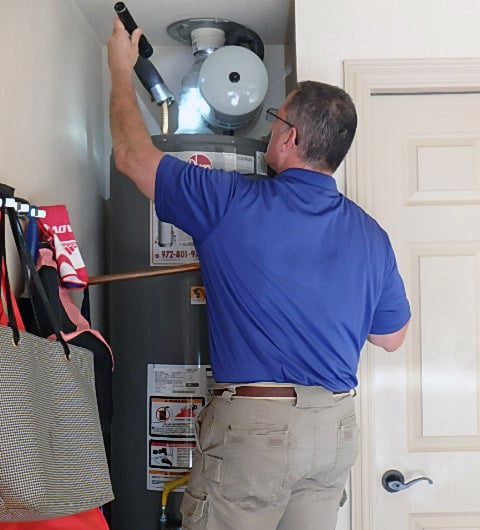
- Plumbing systems — supply and drain systems, water heating equipment, fixtures, and gas distribution where present
- Appliances — dishwasher, food waste disposer, range and cooktop, exhaust systems and other installed equipment
You receive a full written report with photographs, delivered within a day of the inspection and often sooner. Every finding states what was observed, why it matters and what it implies for the purchase. The report is written to be read by someone who is not a builder.
What We Find in Far North Dallas Homes
Most of the housing stock around the Dallas Parkway corridor, Prestonwood and North Dallas was built between the mid-1970s and the late 1980s. That is a specific era with a specific set of recurring findings, and knowing what to expect in a house of that age is most of what makes an inspection useful:
- Polybutylene supply piping. Used widely in new construction between 1978 and 1995. It fails at the fittings, and it fails without warning. It is grey and flexible, and easy to miss if you are not looking for it.
- Original HVAC equipment past its service life. A system installed with the house in 1982 has been replaced by now in most homes — but not all. A system still limping along at forty years is a five-figure item waiting to land on a new owner.
- Cast iron drain lines. Standard in homes of this period. Cast iron corrodes from the inside, so a line can look sound at the cleanout and be nearly closed twenty feet under the slab. A sewer scope inspection is the only way to know.
- Slab foundation movement. North Texas expansive clay moves seasonally, and differential movement shows up in door frames and brick veneer long before anyone notices it underfoot. Where movement is suspected or disputed, Zip Level foundation measurement turns an impression into a measured record.
- Aluminum branch wiring. Present in a narrower window, roughly 1965 to 1973, so less common in this part of Dallas than in older neighborhoods — but it appears, and where it does it is a genuine fire-risk finding rather than a cosmetic one.
- Concealed moisture. Thermal imaging and infrared thermography reveals temperature differentials behind finishes: missing insulation, moisture intrusion and overheating electrical connections that a visual inspection cannot reach.
Who We Inspect For
- Home buyers — a buyer’s inspection before the option period expires
- Sellers preparing to list — a pre-listing inspection, so surprises surface on your schedule rather than the buyer’s
- Owners inside a builder warranty period — the one-year builder warranty inspection, which is the most valuable inspection you will ever buy on a newer home. Defects found before the warranty expires are the builder’s problem. Defects found afterward are yours.
- Current owners — annual home maintenance inspections, which catch small failures while they are still small
- Condominium purchasers — unit-scope inspections, with the boundaries stated in writing
After the Inspection
An inspection report is only useful if you understand what to do with it. We offer a post-inspection report review to walk through the findings and separate the items that matter in a negotiation from the items that are simply the age of the house. Where repairs are agreed and completed, repair verification confirms the work was actually done.
Why Stonebriar
Keith Boggs has been a TREC-licensed professional inspector since 2007, with more than 25 years in construction before that. Findings are not inflated to justify the fee, and they are not softened to keep a transaction moving. You are paying for an accurate account of the building’s condition, and that is what you get. You can read more about Keith or see what clients have said in our customer reviews.
Our Dallas Office
Stonebriar Property Inspections
15950 Dallas Parkway, Suite 400
Dallas, TX 75248
(214) 923-7304
TREC License #9867
Our Other North Texas Offices
- Home inspections in Uptown Dallas — our McKinney Avenue office, covering Uptown, Oak Lawn and State-Thomas, where the housing stock runs from 1920s frame houses to high-rise condominium units
- Home inspections in Frisco — Frisco and the surrounding Collin and Denton County communities
Schedule a Dallas Home Inspection
Call (214) 923-7304 or schedule an inspection online. If you are not yet under contract and want to ask a question first, contact us — we would rather answer it now than have you find out later.