

Whether you are buying, selling, or maintaining a home, understanding the inspection process can help you feel more confident and prepared. At Stonebriar Property Inspections, we believe informed clients make better decisions. That is why we explain every step of our Dallas home inspection process, from scheduling your appointment through post-inspection support.
Our goal is simple: provide accurate information about the property’s condition while delivering a smooth, professional experience. This guide explains what to expect before, during, and after your inspection.
Scheduling Your Dallas Home Inspection
The process begins with scheduling your inspection. Once a property is under contract, buyers typically schedule the inspection as soon as possible to stay within contract deadlines. Sellers may schedule a pre-listing inspection before putting their home on the market.
When you contact Stonebriar Property Inspections, we will gather important information about the property, including:
- Property address
- Square footage
- Age of the home
- Type of foundation
- Additional services requested
- Preferred inspection date and time
We will then confirm your appointment and provide preparation instructions. If additional services such as sewer scope inspections, foundation elevation surveys, or thermal imaging evaluations are requested, those services can typically be scheduled during the same visit.
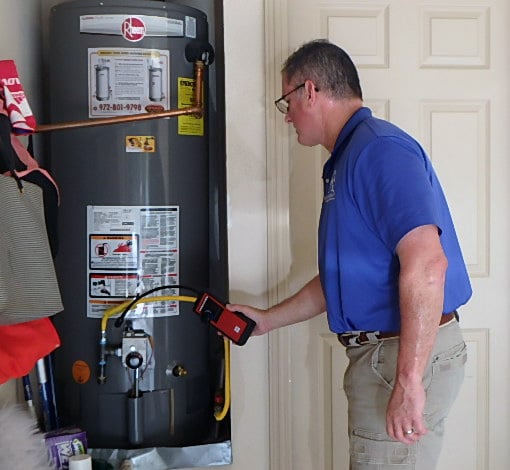
Preparing for the Inspection
For Home Buyers
Buyers are encouraged to attend the inspection summary near the end of the inspection whenever possible. Attendance for the full inspection is not required and is generally not necessary. The inspector will need time to complete a thorough, uninterrupted evaluation of the property.
Arriving near the end gives buyers the opportunity to review key findings firsthand, ask questions, and better understand the report before the option period expires.
Before the inspection summary, buyers should:
- Review property disclosures provided by the seller
- Prepare a list of concerns or questions
- Bring a notebook or mobile device for notes
- Plan to arrive near the end of the inspection for the summary review
For Home Sellers
Sellers can help the inspection proceed efficiently by ensuring inspectors have access to all areas of the property.
Recommended preparation includes:
- Unlocking gates, electrical panels, and utility areas
- Providing access to attics and crawlspaces
- Replacing burned-out light bulbs
- Ensuring utilities are active
- Removing stored items blocking inspection areas
- Securing pets during the inspection
Proper preparation helps reduce delays and allows the inspector to evaluate all accessible systems and components.
What Happens During the Inspection
A professional home inspection is a visual evaluation of the property’s major systems and components. Our inspectors follow Texas Real Estate Commission Standards of Practice while conducting a thorough assessment of the home’s condition.
Every property is different, but a typical Dallas home inspection includes examination of:
- Roofing systems
- Foundation and structural components
- Exterior walls and drainage
- Attics and insulation
- Electrical systems
- Plumbing systems
- HVAC equipment
- Interior rooms and finishes
- Doors and windows
- Built-in appliances
- Garages and carports
Exterior Evaluation
The inspection often begins outside the home. Inspectors evaluate grading, drainage, siding, roofing materials, gutters, downspouts, visible foundation conditions, and other exterior components.
Drainage and foundation-related concerns are especially important in North Texas because expansive clay soils can contribute to foundation movement over time.
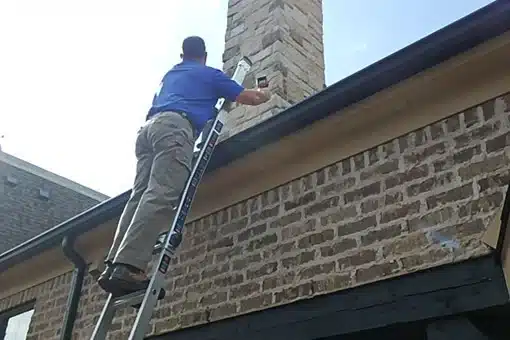
Roof Inspection
When conditions permit safe access, inspectors evaluate roofing materials, flashing, penetrations, vents, and visible signs of damage or aging.
The roof is one of the most important systems protecting a home, making it a major focus during the inspection process.
Interior Inspection
Inside the home, inspectors test accessible outlets, operate windows and doors, inspect visible plumbing fixtures, evaluate HVAC performance, and examine walls, ceilings, and floors for signs of defects or moisture intrusion.
Attics and accessible crawlspaces are also inspected to evaluate structural framing, insulation, ventilation, and signs of moisture-related concerns.
Advanced Inspection Tools We Use
Modern inspection technology helps identify issues that may not be visible during a standard visual evaluation.
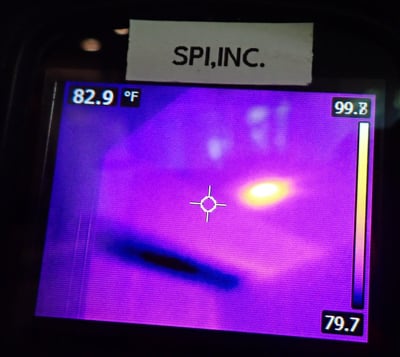
Thermal Imaging
Infrared thermal imaging allows inspectors to identify temperature variations that may indicate:
- Moisture intrusion
- Roof leaks
- Plumbing leaks
- Electrical hot spots
- Missing insulation
- HVAC performance concerns
Thermal imaging is a non-invasive technology that helps uncover hidden conditions without damaging property.
Sewer Scope Inspections
Sewer scope inspections involve inserting a specialized camera into the property’s sewer line to evaluate its condition.
This service can identify:
- Root intrusion
- Pipe damage
- Blockages
- Offsets or separations
- Deteriorating sewer lines
For many buyers, especially those purchasing older homes in Dallas, sewer scope inspections provide valuable information about potential underground plumbing issues.
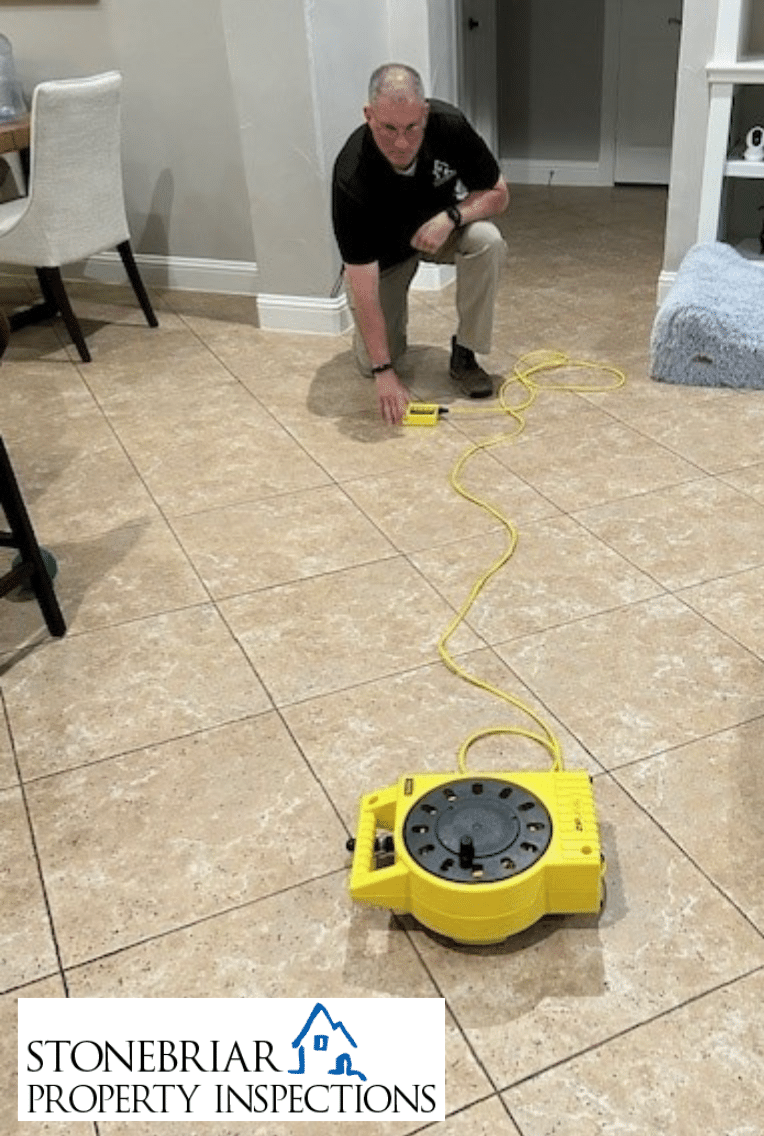
Zip Level Foundation Surveys
Foundation performance is a common concern throughout North Texas. We use Zip Level technology to measure foundation elevation and identify potential settlement or movement patterns.
The Zip Level system provides accurate elevation readings that can help document foundation conditions and assist in evaluating structural concerns.
How Long Does a Dallas Home Inspection Take?
The duration of an inspection depends on several factors, including the property’s size, age, condition, and any additional services requested.
Typical inspection timeframes include:
- Smaller homes: 2 to 3 hours
- Average homes: 3 to 4 hours
- Larger or older homes: 4 to 6 hours
- Additional specialty services may extend inspection time
We do not rush the inspection process. Our focus is on thoroughness, accuracy, and providing clients with useful information.
How Inspection Findings Are Communicated
One of the most important parts of the inspection process is helping clients understand the findings.
At the conclusion of the inspection, inspectors typically provide a verbal summary highlighting significant observations. This discussion gives buyers and sellers the opportunity to ask questions and better understand the property’s condition.
We focus on clear communication and practical explanations rather than unnecessary technical jargon.
Inspection findings may include:
- Safety concerns
- Structural issues
- Major system deficiencies
- Maintenance recommendations
- Items requiring further evaluation
- Expected wear and aging components
Report Delivery and Timing
Following the inspection, clients receive a detailed digital inspection report that includes photographs, descriptions, and recommendations.
Our reports are designed to be easy to read and understand while providing comprehensive documentation of the property’s condition.
Most reports are delivered within 24 hours of the completed inspection.
The report typically includes:
- Photographs of observed conditions
- Detailed descriptions of findings
- System-by-system summaries
- Maintenance recommendations
- Safety observations
- Suggested next steps when appropriate
The report serves as an important decision-making tool for buyers, sellers, real estate agents, and property owners.
Post-Inspection Support
Our relationship with clients does not end when the report is delivered.
We understand that questions often arise after reviewing inspection findings. Stonebriar Property Inspections provides post-inspection support to help clients better understand the report and its implications.
Whether you need clarification regarding a specific finding, guidance about maintenance concerns, or additional information about recommended repairs, our team remains available to assist.
A home inspection is not simply a report. It is an opportunity to better understand one of your largest investments.
Why Dallas Home Buyers and Sellers Choose Stonebriar Property Inspections
Our inspection process combines thorough evaluations, advanced technology, detailed reporting, and ongoing client support. From thermal imaging and sewer scope inspections to Zip Level foundation measurements, we provide the information clients need to make informed real estate decisions.
If you are buying, selling, or maintaining a property in Dallas, our experienced inspection team is ready to help.
Learn more about our Dallas home inspection services and our complete range of Dallas home inspection solutions, or contact Stonebriar Property Inspections to schedule your inspection today.