

Winter inspections in North Texas reveal things no other season can.
January may not bring a deep freeze every year, but even moderate cold puts real stress on homes across Frisco, Plano, McKinney, Dallas, and the surrounding areas. Heating systems work harder, soil conditions change, moisture behaves differently, and construction shortcuts become easier to spot.
For home buyers, this can feel uncomfortable. For experienced inspectors, winter is one of the most honest times to evaluate a home.
A winter home inspection in North Texas is not something to avoid. When properly understood, it provides valuable insight into how a house truly performs under less forgiving conditions. Here are the most common cold-weather issues found during January home inspections in North Texas, what they mean, and how buyers should interpret them—without fear, exaggeration, or confusion.
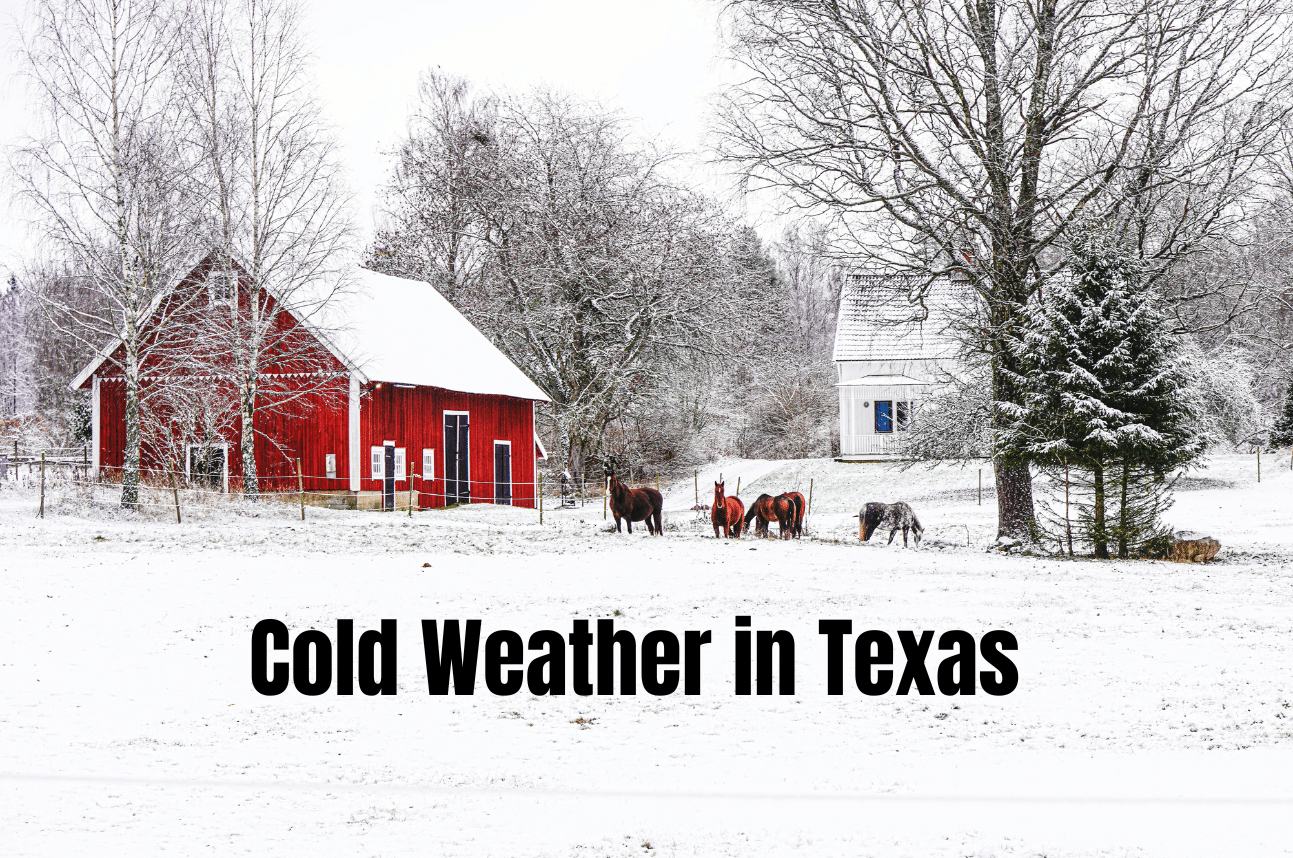
Why Winter Home Inspections Matter in North Texas
Homes in North Texas are designed primarily for heat, not cold. That makes winter especially revealing. Even short cold snaps can expose weaknesses in heating systems, insulation, plumbing protection, and drainage design. January inspections often show how well a home was built, maintained, and updated over time. Key advantages of a winter inspection include:
- Heating systems operating under real demand
- Larger temperature differences reveal insulation problems
- Moisture intrusion is becoming more visible
- Drafts and air leakage are easier to detect
- Foundation movement showing seasonal response
While some systems are seasonally limited, winter inspections often provide clearer insight into a home’s true performance, not just how it looks during mild weather.
Heating System Performance During January Inspections
In North Texas, heating systems rarely operate continuously for long periods—except in January. This makes winter the best time to evaluate whether a system can actually keep a home comfortable. During a winter inspection, an inspector can observe:
- Temperature rise at supply registers
- Ability to maintain thermostat settings
- Evenness of heat distribution
- Cycling behavior and response time
- Unusual noises, odors, or delays
Heat pumps, gas furnaces, and dual-fuel systems each behave differently in cold weather. January inspections often reveal marginal performance that goes unnoticed in fall or spring. A system does not have to fail to be a concern. Weak output, uneven heating, or long run times may indicate aging equipment, airflow restrictions, or duct design issues common in older North Texas homes.
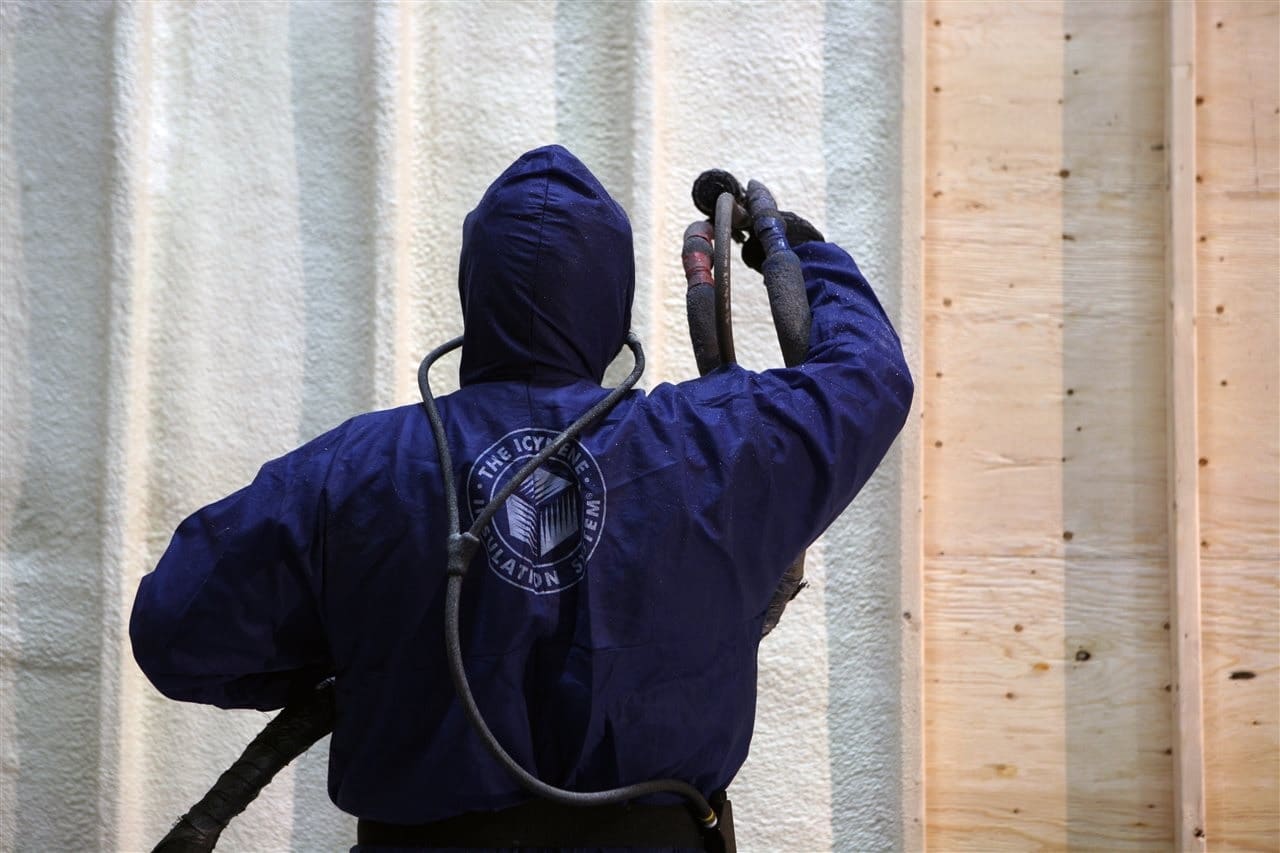
Insulation and Air Leakage in North Texas Homes
Cold weather creates a clear contrast between indoor and outdoor temperatures, making insulation deficiencies much easier to detect. Common winter findings during North Texas inspections include:
- Cold rooms caused by missing or compressed attic insulation
- Heat loss around attic access openings
- Drafts at windows, doors, and wall penetrations
- Uneven temperatures between floors
Many homes built in the 1980s, 1990s, and early 2000s have insulation that technically exists—but does not perform well by modern standards.
Winter inspections help buyers understand not just whether insulation is present, but whether it is actually doing its job.
Condensation and Moisture Behavior in Cold Weather
Moisture behaves differently in January, even in relatively mild climates like North Texas. During winter inspections, inspectors commonly observe:
- Condensation on windows and frames
- Moisture staining at ceiling corners
- Attic condensation from warm air leakage
- Rusting fasteners or metal components
Condensation is not automatically a defect, but it often signals underlying issues such as:
- Poor attic ventilation
- Inadequate insulation
- Excess indoor humidity\
- Air leakage from living spaces into the attic
An experienced inspector evaluates these findings in context, helping buyers understand whether the condition is seasonal or something that could lead to long-term damage if ignored.
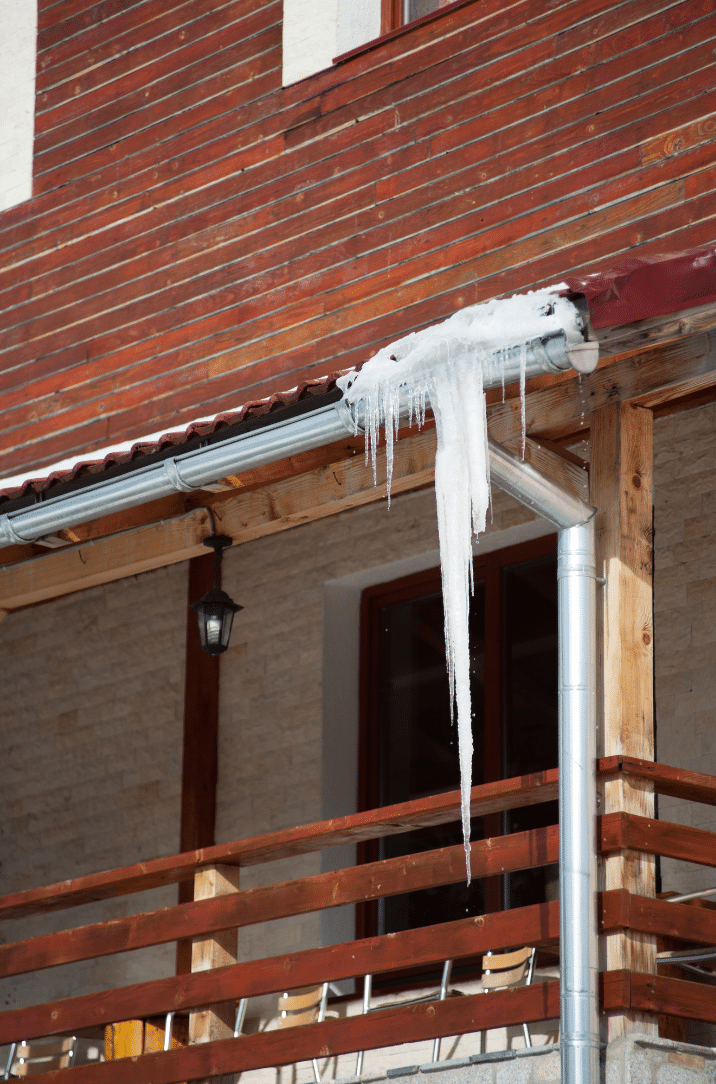
Roof and Flashing Issues Revealed in Winter
Winter weather tests roofing systems in ways summer cannot. January inspections in North Texas frequently reveal:
- Loose or lifted flashing at roof penetrations
- Improperly sealed plumbing vents
- Minor leaks following cold rain events
- Early signs of deterioration at valleys and transitions
While not all roofs can be safely walked during winter, experienced inspectors evaluate roof systems from multiple vantage points and look for warning signs that indicate maintenance needs or future repairs. Winter findings often serve as early indicators, allowing buyers to plan ahead rather than be surprised later.
Foundation Movement and Seasonal Soil Conditions
North Texas is known for expansive clay soils, and winter is one phase of the annual movement cycle. During January inspections, inspectors may observe:
- Interior drywall cracks opening seasonally
- Doors sticking or swinging unexpectedly
- Minor trim separation
- Hairline exterior foundation cracking
Not all movement is structural. Much of what appears in winter is seasonal and often reverses as soil moisture changes. The value of a winter inspection lies in distinguishing normal seasonal behavior from patterns that warrant further evaluation. Context, location, and consistency matter far more than the presence of cracks alone.

Plumbing Vulnerabilities During Cold Weather
Even brief freezes can expose plumbing weaknesses in North Texas homes. Common winter inspection findings include:
- Poorly insulated pipes in attics or garages
- Exterior hose bibs lacking freeze protection
- Evidence of past freeze damage or repairs
- Slow drains affected by cold-thickened grease buildup
Many freeze-related plumbing failures occur not during extreme cold, but during short, unexpected temperature drops. A winter inspection helps buyers identify vulnerable areas so preventive steps can be taken before damage occurs.
Electrical and Safety Considerations in January
Winter changes how homes are used. January inspections often reveal:
- Overloaded circuits from space heater use
- Improper extension cord usage
- Fireplaces or gas logs not recently tested
- Inadequate clearances around heating devices
While some of these conditions are related to occupant habits, they still represent safety considerations that buyers should understand before moving in.
What Cannot Be Fully Evaluated During a Winter Inspection
A professional winter inspection also clearly explains seasonal limitations. Some components may not be fully evaluated due to conditions, including:
- Air conditioning performance
- Irrigation systems
- Pool and spa operation
- Certain exterior features affected by weather
A quality inspection report documents these limitations and recommends appropriate follow-up when conditions allow. Clear communication builds trust and prevents misunderstandings later.
Why Winter Is One of the Best Times to Inspect a Home in North Texas
There is a common belief that winter is a poor time for home inspections. In reality, it is often one of the most revealing. Winter inspections:
- Show heating systems under real load
- Reveal insulation and comfort issues
- Highlight moisture behavior
- Expose construction shortcuts
- Test maintenance history
Rather than hiding problems, cold weather often brings them into focus.
What North Texas Homebuyers Should Take Away
A January home inspection is not about perfection—it’s about understanding performance. Every home has strengths and weaknesses. Winter simply provides a clearer picture of how a home responds when conditions are less forgiving. Buyers who understand what they are seeing—and why—are better prepared to negotiate appropriately, plan future maintenance, and move forward with confidence.
Keep in Mind
Homes rarely fail suddenly. They give warnings—especially in winter.
A thorough January home inspection in North Texas doesn’t just evaluate a house. It shows how that house performs when it matters most.
That knowledge is worth having.