

If you’ve recently built or bought a new home in Texas, your builder’s one-year warranty is one of the most valuable protections you have—and it’s ticking away. An 11-month inspection, also called a 1-year builder warranty inspection, is your last chance to document construction defects, installation errors, or performance issues before that warranty expires. From hidden foundation cracks to poor attic ventilation, many of these problems only show up after months of normal living. Scheduling this inspection in the 10th or 11th month can mean the difference between repairs covered by the builder or expensive fixes coming out of your pocket.
Why the 11-Month Inspection Matters
A 1-year builder warranty inspection—often called an 11-month inspection—is a detailed evaluation of a newly built home just before the warranty expires. This warranty typically covers defects in workmanship, materials, and system performance for the first 12 months.
Many new homeowners assume “new” means “perfect,” but small cracks, misaligned doors, and HVAC problems often appear within the first year. If you fail to document these before the warranty deadline, repair costs shift to you. Stonebriar Property Inspections conducts targeted inspections to catch these problems in time.
What’s Included in a Professional 1-Year Builder Warranty Inspection
Comprehensive System Checks
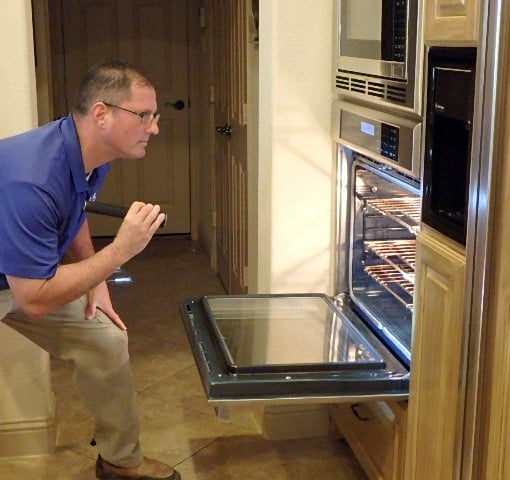
Inspectors assess roofing, HVAC, foundation, plumbing, and electrical systems, as well as less obvious concerns like attic ventilation, drainage grading, and insulation performance.
Specialized Tools
Infrared thermography detects hidden moisture. Foundation elevation measurements reveal movement invisible to the naked eye. Electrical panel reviews often uncover mislabeling or safety hazards.
Detailed Reporting
The result is a photo-documented, builder-ready report that supports your warranty claim with proof—not guesswork.
Common Issues Found in New Homes
Even in brand-new builds, problems can surface quickly. Common issues include:
- Structural Defects: Foundation cracks, warped framing, drywall stress cracks.
- HVAC Failures: Uneven airflow, undersized units, ductwork leaks.
- Plumbing & Electrical Issues: Leaks, water pressure problems, miswired outlets, faulty GFCIs.
- Roof & Drainage Problems: Loose shingles, poor underlayment, grading errors leading to pooling.
- Window & Door Misalignment: Drafts, sticking frames, broken thermal seals.
- Finish Flaws: Paint cracks, uneven cabinetry, flooring defects.
These aren’t rare—they’re recurring themes in the first year of homeownership.
Preparing Your Home for Inspection
A little preparation ensures nothing gets overlooked:
- Keep a running list of issues since move-in.
- Clear access to attic entries, crawl spaces, panels, and plumbing.
- Test HVAC, plumbing, and electrical systems beforehand.
- Photograph visible wear, cracks, and stains for your records.
Understanding Your Builder’s Warranty
Most Texas builder warranties follow a tiered approach:
- One Year: Workmanship and material defects (drywall, paint, trim, etc.).
- Two Years: Mechanical systems (HVAC, electrical, plumbing).
- Ten Years: Structural defects (foundation, framing, roof).
Knowing what’s covered lets you focus on defects your builder must fix.
Why Hire a Third-Party Inspector
Builder walkthroughs tend to focus on cosmetic issues and may downplay hidden defects. Independent inspectors, like Stonebriar Property Inspections, work solely for the homeowner. They apply national inspection standards, use advanced tools, and produce unbiased reports builders can’t easily dispute.
Timing Is Everything
Schedule your inspection in the 10th or 11th month of ownership. Too early and some defects may not have appeared; too late and you risk running out of time for repairs. Get on an inspector’s calendar by month 9 to avoid scheduling delays.
Turning Inspection Results Into Repairs
Use your inspection report to:
- Submit a detailed, photo-supported warranty claim.
- Communicate in writing with your builder and keep all correspondence.
- Request a written repair timeline with specific start and end dates.
A well-documented claim paired with a professional report maximizes your chances of getting repairs covered.
Legal Protections for Homeowners
In Texas, builders must repair workmanship and material defects reported within one year of closing. Structural issues have longer protections, but most warranty-covered items expire after year one. A timely inspection ensures you have the evidence needed to enforce these rights.
Cost vs. Value
A professional one-year inspection costs roughly $500–$700, depending on home size, complexity, and optional services like infrared scanning. This is a small investment compared to the thousands you could spend on repairs once the warranty expires.
Your builder’s one-year warranty is a contract you’ve already paid for. A 1-year builder warranty inspection is your best—and last—chance to make that contract work for you. Schedule your inspection in month 10 or 11, prepare your home, and let a qualified inspector give you the documentation you need to hold your builder accountable.
Stonebriar Property Inspections in Dallas/Fort Worth
Stonebriar Property Inspections proudly serves homeowners across the Dallas/Fort Worth area with professional, detailed home inspections. Whether you’re in a newly built home in Frisco, a master-planned community in Prosper, or a new subdivision in Mansfield, their licensed inspectors bring local experience and construction knowledge to every visit. They understand the unique soil conditions, weather patterns, and building practices common in North Texas—factors that can affect everything from foundation stability to roof performance. With a proven track record in the DFW metroplex, Stonebriar Property Inspections provides homeowners with the evidence, documentation, and peace of mind needed to ensure their builder meets their obligations.