

After months of extreme North Texas heat and exceptionally dry conditions, your home may be telling a story you haven’t noticed yet. Foundation elevation measurements and infrared thermal imaging can tell you what a walk-through cannot.
This summer has been brutal even by Texas standards. On August 23, 2026, Dallas/Fort Worth reached 109°F, breaking the daily record of 107°F set in 1952. Through that date, DFW had recorded only a trace of rainfall for the entire month, compared with approximately 1.48 inches normally received by then. By August 24, the month’s preliminary average temperature was approximately 91.5°F—more than 5°F above normal—with 24 days reaching at least 90°F.
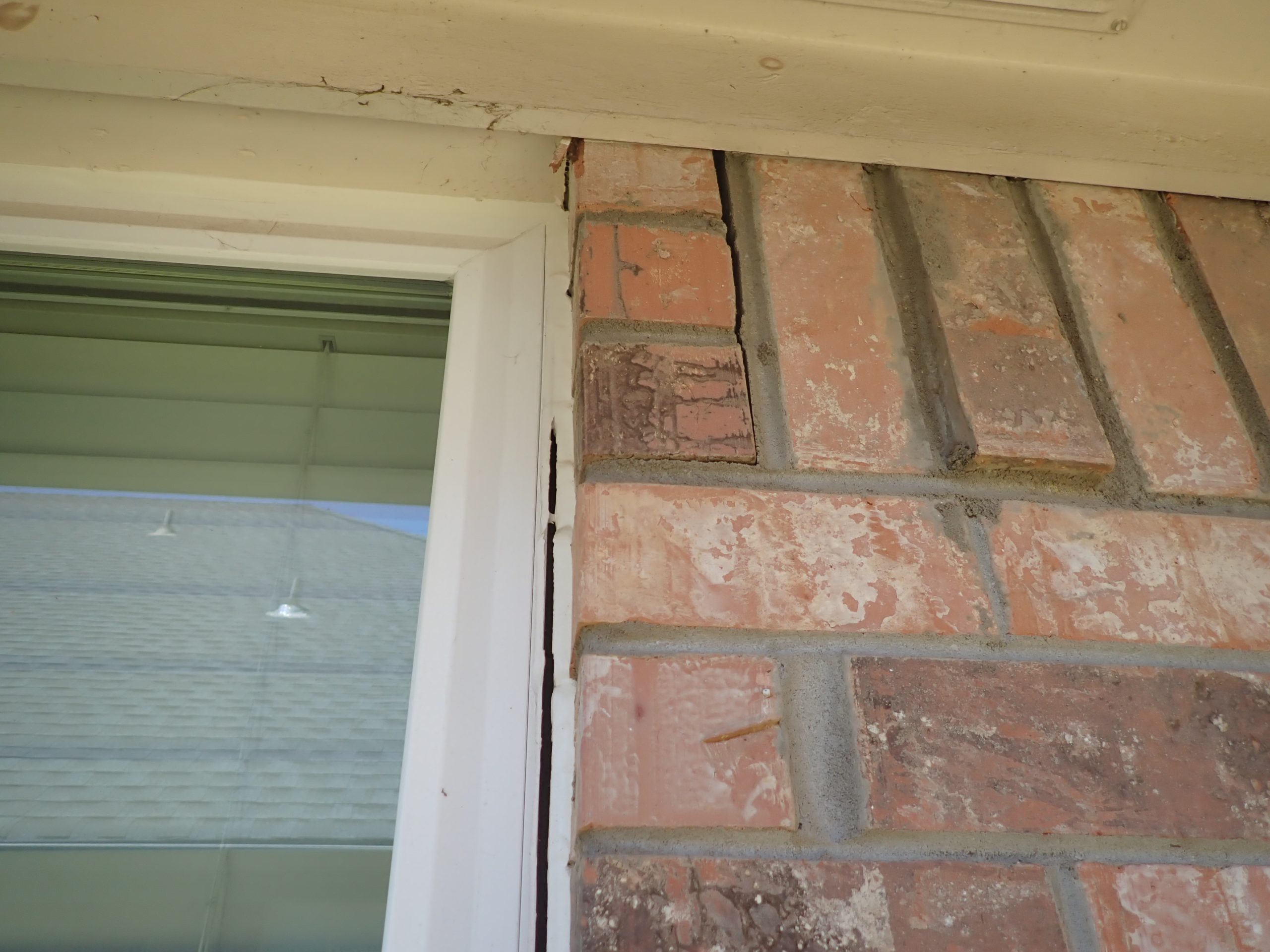
Your house experiences that heat too, and the first sign of change may not be a dramatic foundation crack. It may be a small separation, a door that no longer closes properly, a crack above a window, separation at exterior trim or masonry, a change in how a floor feels, or moisture evidence you would never have connected with structural movement.
A Client I’ve Inspected for Years Called Me Back
One of my longtime clients has me return about every five years to perform a general home inspection, take foundation elevation measurements, and scan the home with infrared thermal imaging. He doesn’t wait until something is obviously wrong. He understands that homes and conditions change—and that information collected at different times provides something a single inspection cannot: history and perspective.
After this summer’s prolonged heat, he was particularly concerned about foundation movement. Although the home was less than ten years old, I observed fairly significant exterior separations consistent with structural movement. I also found evidence of a roof leak and movement at the exterior roof structure in the area corresponding with the interior leakage evidence.
Did the structural movement cause the roof leak? I can’t say. The conditions may have been related or may have occurred independently in the same area. An inspector should never turn a possibility into a fact simply because the pieces appear to fit.
The important point was that the homeowner called about one concern, but the house showed us another one too. The foundation supports the structure; the structure supports the walls and roof; and windows, doors, exterior coverings, roofing, plumbing, and interior finishes are installed within or attached to it. A change in one area does not mean every crack or defect is related, but the evidence may appear somewhere unexpected. Looking at the bigger picture matters.
Watch: Signs of Structural Movement in a 10-Year-Old North Texas Home
Why North Texas Foundations Deserve Special Attention
Some foundation movement is normal and does not automatically mean a foundation has failed or needs expensive repairs. However, North Texas homes face conditions unfamiliar to many homeowners from other areas.
The Texas Real Estate Commission recognizes that clay soils common throughout Texas can expand and contract as their moisture content changes. Soil-moisture fluctuations, drainage, plumbing leaks, tree roots, erosion, and construction conditions can all affect foundation performance—especially after extended heat and little rainfall.
The difference between relatively uniform settlement and differential movement is particularly important. A structure that settles relatively evenly may respond very differently from one in which one area moves differently from another. Possible signs of foundation movement include:
- Doors that bind, do not latch properly, or become out of square
- Exterior trim or framing separations
- Sloping floors
- Cracks or separations in walls, ceilings, or floors
- Cracking, rotation, or buckling of masonry cladding
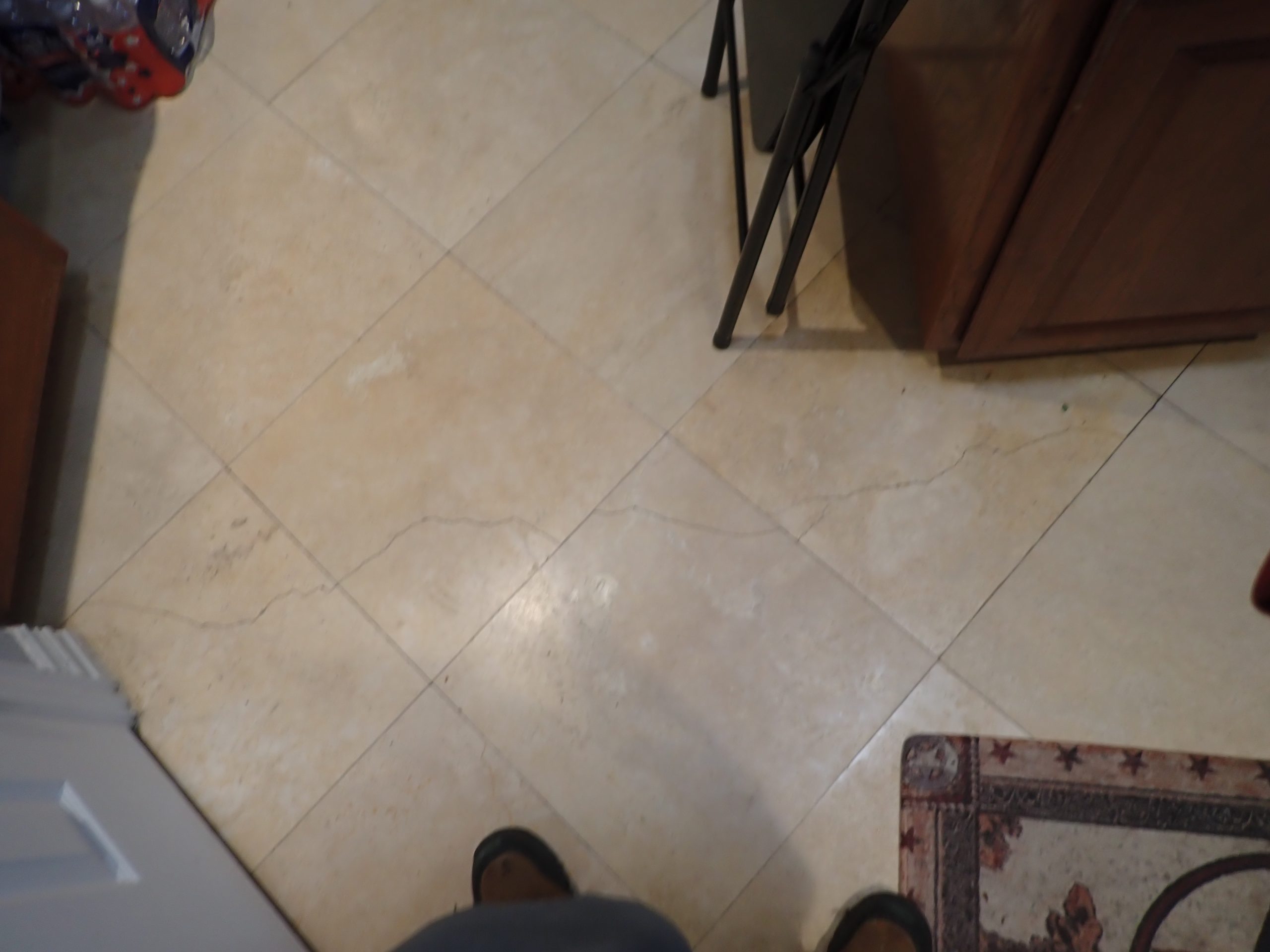
A crack or sticking door alone does not tell the entire story, and a floor that “feels level” does not provide an objective elevation pattern. That is why foundation measurements can be valuable. (For more background, see our foundation inspection resource center.)
Foundation Elevation Measurements Give Us Information Our Eyes Cannot
Foundation elevation measurements document elevation differences at representative accessible locations throughout the structure. Rather than relying solely on appearance or feel, they create a relative elevation pattern for the home on the day measured.
One set of measurements does not prove that a house has moved. Without reliable prior measurements, no one knows precisely where those locations were five or ten years earlier. Measurements also do not replace a structural engineer when engineering analysis is warranted. They do, however, provide objective information about the home’s current elevation pattern.
When measurements are periodically taken using comparable methods and locations, earlier results may provide useful context if future changes are suspected. Today’s measurements can become tomorrow’s baseline.
Infrared Thermal Imaging Lets Us Look at the House Differently
The other part of this Home Check is infrared thermal imaging.
A thermal camera does not see through walls and is not an X-ray machine. A temperature anomaly alone does not prove moisture, an electrical problem, missing insulation, or another specific defect. It shows surface-temperature differences our eyes cannot see, helping an experienced inspector identify areas that may deserve further investigation.
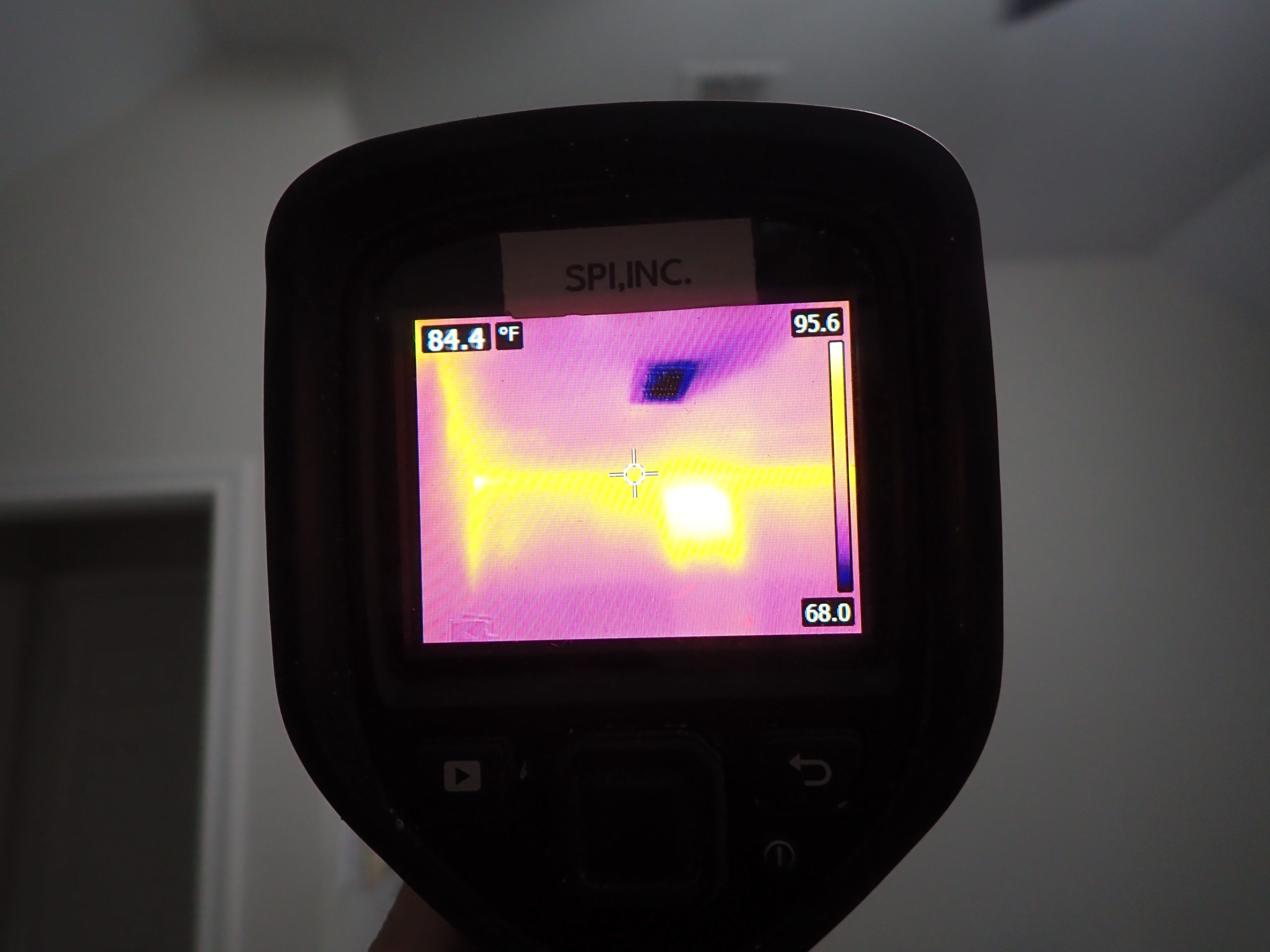
Thermal imaging may reveal patterns associated with moisture concerns, insulation deficiencies, HVAC performance, and certain electrical concerns. Foundation measurements provide information about the structure’s elevation pattern; thermal imaging identifies temperature anomalies that may warrant a closer look. They are different technologies providing different information toward one goal: learning more about your home before an obvious problem forces you to.
Watch: Infrared Thermal Imaging Defects Found in a Home Inspection
New to North Texas? Your Previous Home May Not Have Prepared You for This
The Dallas-Fort Worth-Arlington metropolitan area reached approximately 8.5 million residents in 2025—about an 11% increase since 2020. Many people moving here from elsewhere in the United States and around the world are experiencing North Texas summers and soil for the first time.
If you have owned homes elsewhere, a sticking door, masonry separation, drywall crack, or changing floor elevation may not make you think about soil-moisture conditions beneath the foundation. Here, those conditions deserve context.
A relatively new home is not immune. The home that prompted this package was less than ten years old. Newer homes can experience movement, drainage concerns, moisture intrusion, construction deficiencies, and other problems. North Texas soil does not care whether a house was built in 1986 or 2023.
Consider This Common Situation
Nothing looks seriously wrong. There is no giant wall crack, dripping ceiling, or obviously sloping floor. But perhaps a door has started rubbing, a small exterior separation has appeared, or a minor drywall crack is worth watching. A thermal scan then identifies an unusual temperature pattern where no staining is visible.
Does that prove foundation failure, a leak, or the need for foundation repair? No. But it may justify a closer look.
You do not need to wait for a dramatic condition before gathering information. If the elevation pattern appears reasonable and the thermal scan reveals nothing particularly concerning, that is useful too. Sometimes the most valuable result is simply knowing where your home stands today.
And There Is Another North Texas Concern: Termites
Texas A&M AgriLife identifies Texas as one of the states most at risk for subterranean termite infestation. Termites are not simply an old-house problem: the Texas Department of Agriculture reports they have been found in buildings as early as four days after construction.
I have seen firsthand what they can do to a brand-new home. During one new-construction inspection, I found extensive termite damage involving substrate, framing, and other wood components. It was a vivid reminder that new does not mean immune—to termites, movement, moisture intrusion, or other conditions not apparent during an ordinary walk-through.
The Texas Department of Agriculture also estimates that termites cause more than $1 billion in property damage nationally each year. That is why this special Home Check package includes a Wood-Destroying Insect inspection at no additional charge.
The WDI inspection looks for visible evidence of wood-destroying insect activity and applicable conducive conditions in accessible areas. Like every inspection, it has limitations and cannot guarantee that concealed activity is not present. But if we are already taking a closer look at your home, including it makes sense.
Small Signs Can Become Expensive Problems
Most cracks, thermal anomalies, roof stains, or signs of termite activity do not mean an expensive repair is waiting. Most homes I inspect do not require massive foundation repairs, major termite reconstruction, or extensive water-damage restoration. When serious problems do exist, however, the financial consequences can be substantial:
- Foundation repair. Current national estimates put average foundation repair at approximately $5,000, with many repairs around $2,000 to $8,000. Major settling or structural correction can reach the tens of thousands, depending on the cause, movement, construction, access, and repair method.
- Roof leaks. Typical roof-leak repairs may cost approximately $700 to $3,000, before damage to insulation, drywall, framing, paint, flooring, or other interior components is considered.
- Termite damage. Termite-damage repairs average around $3,000, while significant structural damage can reach $10,000 or more.
These figures are not meant to frighten homeowners. The point is simple: when a significant condition exists, knowing sooner can matter.
A $549 Home Check cannot predict the future, prevent every expensive problem, or eliminate the normal risks of homeownership. It can provide more information about your home today, and that information may be extremely valuable.
What If Nothing Looks Wrong?
That is one of the best reasons to consider the service. My longtime client does not call every five years because his house is falling apart; he wants to know whether anything has changed.
There is a difference between reacting after a problem becomes obvious and gathering information while you still have options. There is value in establishing a baseline, learning that conditions appear reasonable, or discovering a concern while it can still be investigated. It is better to look today than someday say, “I wish I had checked.”
Two Specialized Services—Plus a WDI Inspection
Stonebriar Property Inspections is offering a special homeowner package following this extreme North Texas summer:
- Foundation Elevation Measurements—Regularly $350
- Infrared Thermal Imaging—Regularly $350
- Wood-Destroying Insect Inspection—Included at No Additional Charge
Purchased separately, the foundation measurements and thermal imaging total $700.
Special Combined Package: $549
Save $151—plus receive the WDI inspection at no additional charge.
This is not foundation repair, and we do not sell foundation piers. The purpose is not to convince homeowners that they need thousands of dollars in foundation work, use thermal imaging to manufacture problems, or frighten them about termites. It is to gather useful information and identify conditions that may deserve additional attention.
Whether the results are reassuring or indicate that further evaluation is warranted, you know more about your home than you did before.
Experience Matters
I have inspected North Texas homes since 2005 and completed more than 10,000 property inspections.
I have seen frightening-looking foundation conditions that were not particularly unusual for a home’s age and construction, and seemingly insignificant conditions that became more important when considered with the rest of the evidence. I found a roof leak while inspecting a home primarily for structural concerns and observed exterior roof-structure movement in the corresponding area—without assuming one caused the other. I have found extensive termite damage in new construction. Again and again, I have seen that a home’s age alone reveals little about what may be happening inside it.
Technology helps, but owning a thermal camera or elevation-measuring device does not automatically teach someone what the information means. Equipment is one part of the service. Experience interpreting what the house is showing you is the other.
So Your House Survived the Summer. How Did It Do?
DFW reached 109°F, August was running more than 5°F above normal through August 24, and through August 23 the area had received essentially no measurable rainfall during the month. Expansive Texas soils respond to changing moisture conditions. Hundreds of thousands of new residents are experiencing these conditions for the first time. Termites do not care whether a home is 40 years old or brand-new. When significant foundation, moisture, roof, or termite problems occur, costs can quickly reach the thousands—and sometimes tens of thousands—of dollars.
Maybe you have noticed a new crack, sticking door, exterior separation, or possible moisture concern. Maybe you recently moved to North Texas and have never had foundation measurements taken. Maybe you want a baseline for comparison years from now. Or maybe nothing appears wrong.
That is okay too.
You do not have to wait for a major visible problem before learning more about your home—or someday wonder whether you should have looked sooner.
Schedule Your Home Check
- Foundation Elevation Measurements
- Infrared Thermal Imaging
- PLUS a Wood-Destroying Insect Inspection at No Additional Charge
Special Home Check Package: $549
Normally $700—Save $151 and receive the WDI inspection at no additional charge.
Your home is probably one of the largest investments you will ever make. It has endured another extreme Texas summer and may look exactly as it did in spring. But appearances do not always tell the whole story, and sometimes the conditions that matter most are the ones you do not yet know about.
Schedule your Home Check with Stonebriar Property Inspections or call (214) 923-7304. We serve Frisco, Plano, McKinney, Allen, Prosper, Dallas and communities throughout North Texas.